


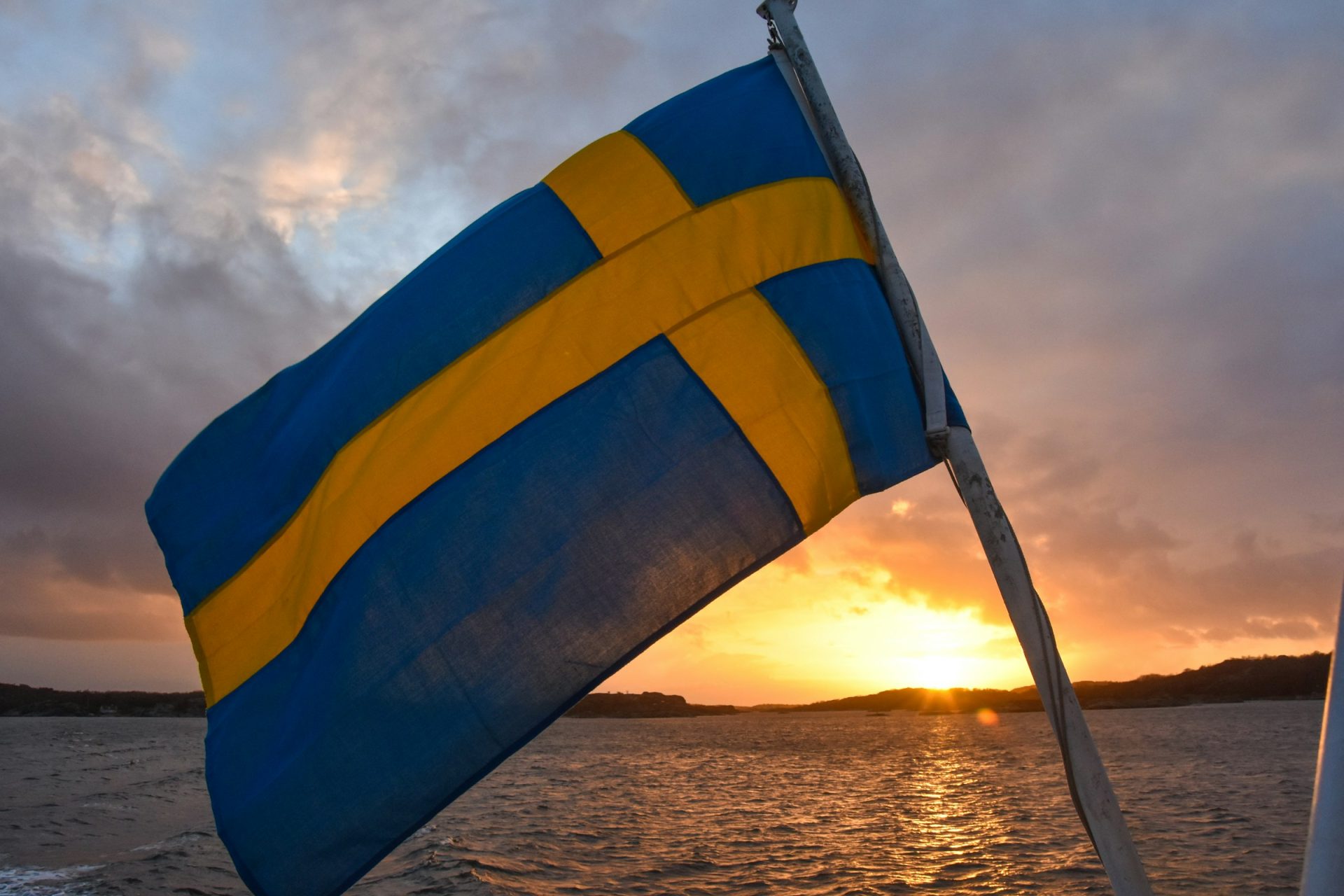

Most visitors to St. Barth know the island is French. They hear it in the language, taste it in the food, and feel it in the general art de vivre. But walk through the streets of Gustavia and you’ll notice something unexpected: Swedish street names, old stone forts with Nordic design, and a clock tower that has nothing to do with France. That’s because for nearly a century, from 1784 to 1878, St. Barth was a Swedish colony.
How sweden ended up in the caribbean
The story begins with a deal between France and Sweden. In 1784, France handed over St. Barth in exchange for trading rights in the Swedish port of Gothenburg. It was a strategic move for both sides. Sweden got a Caribbean outpost; France got access to Northern European trade routes. The first Swedish governor, Salomon Mauritz von Rajalin, arrived in March 1785 with a small team and immediately set about transforming the island. The little harbor town of Le Carénage was renamed Gustavia, in honor of King Gustav III, and declared a free port—meaning ships from any nation could dock and trade without paying customs duties.
Gustavia’s golden age
The free port status changed everything. By the late 18th century, around 1,300 ships were visiting Gustavia annually. American merchants, locked out of British ports in the Caribbean after independence, found a welcome alternative here. Warehouses lined the harbor, the population grew to about 6,000, and Gustavia became one of the busiest trading hubs in the region. Three forts were built to protect the harbor: Fort Gustav, Fort Karl, and Fort Oscar. You can still visit their ruins today—Fort Karl overlooks Shell Beach and offers one of the best views of the coastline, while Fort Oscar sits at the tip of the peninsula where the Gendarmerie now stands.
Related : Top Reasons to Visit St Barts
What you can still see
The Swedish legacy is woven into the fabric of Gustavia. The Swedish Clock Tower, built in the late 1780s as part of a Lutheran church, still stands near the harbor. The Wall House, likely designed by Swedish official Samuel Fahlberg, now houses a museum and library. Street names like Rue Oscar II and the square named after the last Swedish warship to leave the island in 1878 are quiet reminders of another era.
For a deeper dive into the island’s history and culture, a morning walk through Gustavia is one of the best things to do in St. Barth—we mention it in our article about fun things to do on the island. The Wall House Museum is small but worth the visit, especially if you’re curious about how a tiny Swedish colony in the tropics actually functioned.
The return to france
By the mid-19th century, the colony was losing money. Trade had slowed, the population had dropped, and maintaining the island was becoming expensive. Sweden tried to sell it to the United States, then to Italy, before finally negotiating a deal with France. On March 16, 1878, the Swedish flag was lowered in Gustavia and the French tricolor raised in its place. The price: 320,000 francs. One condition of the transfer: Gustavia would keep its free port status—a privilege it still enjoys today, which is why shopping on the island remains duty-free.